What Is a Hybrid SIM Slot? Shared Tray, Explained for 2026
What Is a Hybrid SIM Slot? Shared Tray, Explained for 2026
By Chester Takau · August 2026
Direct answer
A hybrid SIM slot is a single tray that accepts either a second SIM card or a microSD memory card — never both. You get two SIM lines with no expandable storage, or one SIM plus a microSD, but not three things in that tray at once. It's how budget phones like the Xiaomi Redmi Note 15 offer a second-SIM option and storage expansion without building a third slot. In 2026 the tradeoff has gotten sharper: memory card prices have roughly doubled in a year, and flagships like the Galaxy S26 have dropped the tray entirely in favor of eSIM, so a hybrid slot is now the last form of expandable storage most phone buyers will ever see.
Chester Takau
Chester Takau is an independent reviewer of dual-SIM and eSIM technology, testing setups from the Pacific where connectivity choices really matter.
How a hybrid slot actually works
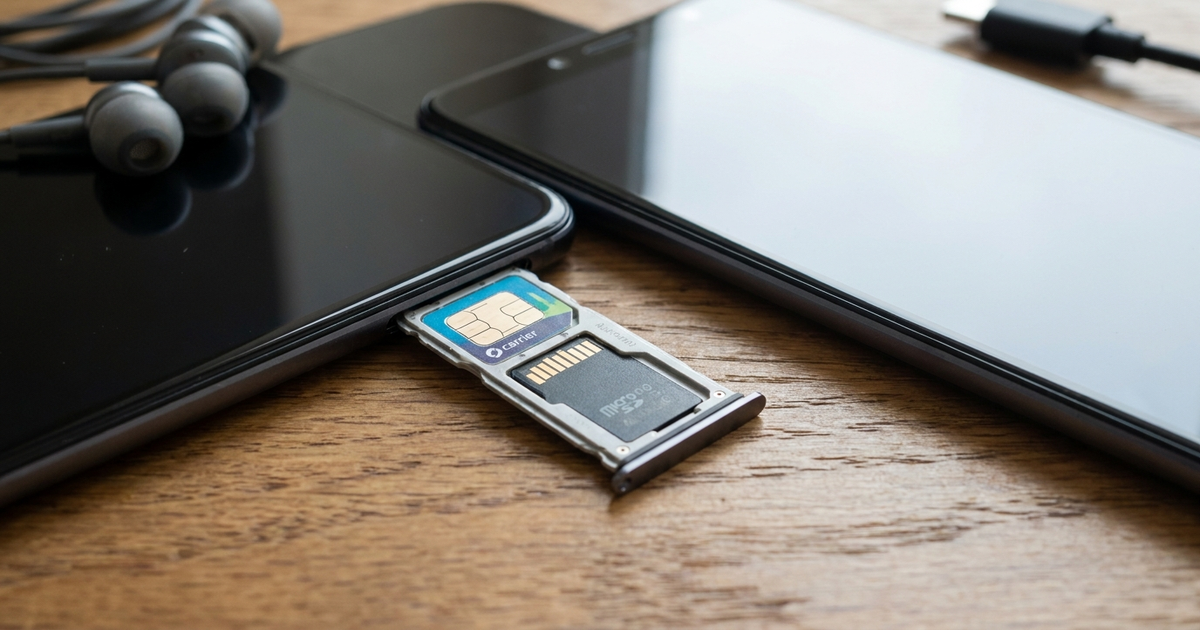
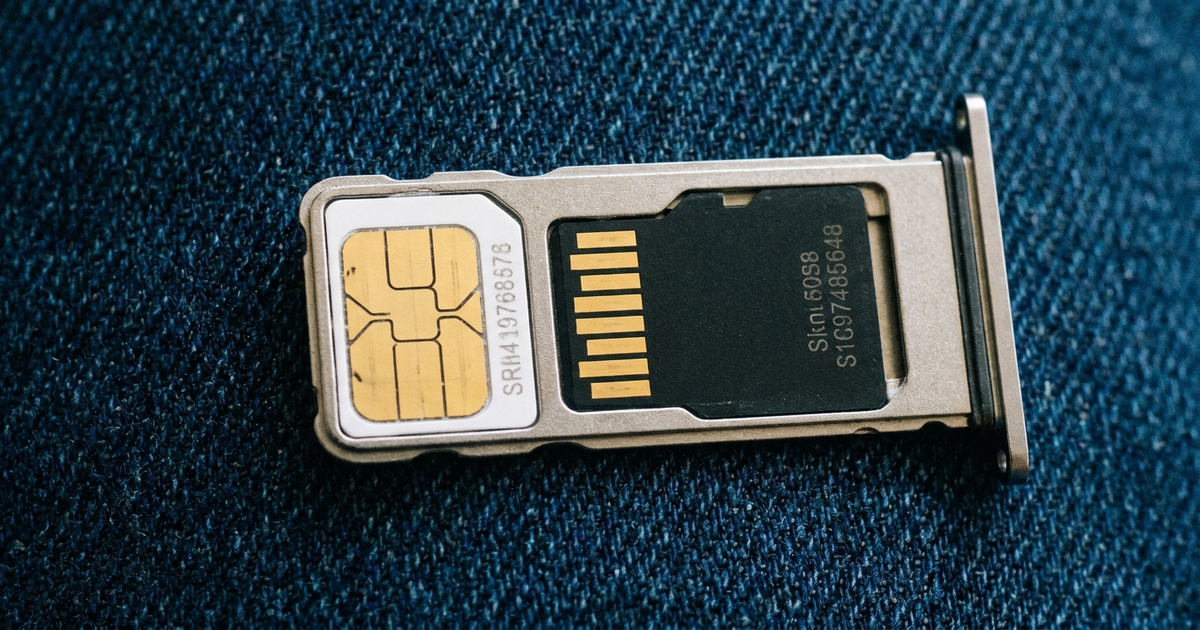
Physically, it's one tray with two card shapes cut into it — a nano-SIM outline on one side and a microSD outline overlapping it. Slot in a second nano-SIM and the tray is full; there's no room left for a memory card. Slot in a microSD instead and you're back to a single-SIM phone with expandable storage. Spec sheets flag this with one easy-to-miss phrase: GSMArena lists the Xiaomi Redmi Note 15 as "Nano-SIM + Nano-SIM" for SIM options and "microSDXC (uses shared SIM slot)" for storage — that "shared" is the whole tell. A phone with a true dedicated slot would list a card size with no such caveat, but almost nothing sold in 2026 still has one; no major brand currently ships a phone that takes two physical SIMs and a microSD at the same time.
Hybrid vs dedicated vs no slot at all
| Tray type | What it holds | 2026 example |
|---|---|---|
| Hybrid (shared) | 2 SIMs, OR 1 SIM + microSD | Xiaomi Redmi Note 15, Galaxy A17 5G |
| Dedicated | 2 SIMs + microSD, all at once | Effectively extinct — no current major-brand model |
| No card slot | 1 SIM + 1 eSIM, no storage expansion | Galaxy S26, Galaxy A57 5G |
Samsung's own A-series shows the direction of travel. The Galaxy A57 5G, released April 2026, lists its SIM options as Nano-SIM + eSIM or two Nano-SIMs with eSIM, and its card slot as a flat "No" — the A-series was the last mainstream home of the hybrid tray, and it's now gone from that model. BGR's 2026 roundup of Android phones that still take a microSD card counts only five, and most of those use a hybrid tray rather than a dedicated one.
Why the 2026 price of microSD changes the math
Every older explainer of this tradeoff treats microSD as the free, obvious choice. That stopped being true this year. Tom's Hardware tracked a 124% median year-over-year price jump across memory cards and flash drives, with some products up 261% — driven by AI data centers absorbing NAND flash supply. A Lexar Blue 512GB microSDXC went from $17.99 to $64.99; the 1TB card nearly tripled, from $33.29 to $99.99. If your hybrid slot choice is "second SIM line" versus "buy a 512GB card," the card now costs more than a year of a cheap prepaid line in a lot of markets. That's a genuinely new consideration nobody was writing about a year ago.
Does eSIM solve the hybrid slot problem?
Partly. On a phone with eSIM support, the second line can move off the physical tray entirely, freeing the shared slot for a microSD full-time. That's exactly the setup Samsung pitches on the Galaxy S26 — one physical SIM plus one eSIM, no card slot to negotiate with. The catch is that the phones most likely to have eSIM are increasingly the same phones that dropped microSD altogether, while budget phones that kept the card slot often lack eSIM. The advice "just use eSIM for line two" is correct, but it applies to a narrowing set of devices. If you're weighing that route for your own phone, the explainer on how embedded eSIM chips work covers what activating one actually involves.
It's worth separating this from the physical-SIM version of the same question: a hybrid slot is only ever about tray space, not about how a second physical SIM behaves once it's in. Most dual-SIM phones still run DSDS (Dual SIM Dual Standby), meaning even with two SIMs successfully seated, only one can carry an active call or data session at a time. The guide to how two SIM cards share one phone covers that standby limitation in full — it's easy to assume "two SIMs installed" means "both lines fully active," and that's not quite how it works even outside the hybrid-slot question. And if the second line you're running is already an eSIM data plan rather than a physical card, the guide to topping up an eSIM profile without losing your number covers keeping that plan funded without starting the activation over.
This walkthrough breaks down single, dual, and hybrid SIM trays side by side and the tradeoffs of each — useful if you're comparing tray types before buying rather than troubleshooting one you already own:
Frequently Asked Questions
Can I fit two SIM cards and a microSD in a hybrid slot at the same time?
No. That's the entire definition of "hybrid" — it's one tray, and you're choosing between two SIMs or one SIM plus storage, not adding a third item. A phone that takes all three at once would need a dedicated third slot, and essentially nothing current does.
Is the SIM-glued-to-microSD adapter hack safe?
Treat it as a workaround with real downsides, not a fix. Stacking a nano-SIM chip onto a microSD to trick the tray into reading both can work, but it also risks jamming the tray, damaging contacts, or triggering a "check SIM card tray" error on newer Android software that detects the mismatch. It's popular precisely because official options don't exist — that doesn't make it risk-free.
How do I tell if a phone has a hybrid slot before I buy it?
Read the storage line on the spec sheet, not just the SIM line. "microSDXC (uses shared SIM slot)" or "hybrid" means one tray, one choice. "Dedicated slot" or a separate card-slot listing with no shared-tray caveat means true simultaneous use — though as of 2026 that's rare enough to double-check rather than assume.
Sources: GSMArena, Xiaomi Redmi Note 15 full specs (2026) · GSMArena, Samsung Galaxy A57 5G full specs (2026) · Tom's Hardware, memory card and flash drive prices up 124% median (15 Apr 2026) · BGR, Android phones that still have a microSD slot in 2026 (13 Feb 2026) · Android Authority, Samsung Galaxy S26 series FAQ · Samsung Support, What is a Dual or Hybrid SIM?
Updated August 2026.
Transparency note: This article was researched and written by Chester Takau with AI assistance for research gathering and drafting. All recommendations reflect the author's own editorial judgment.


